
The “No-Listing” Social Media Strategy: How to Post When You Haven't Sold a House Yet
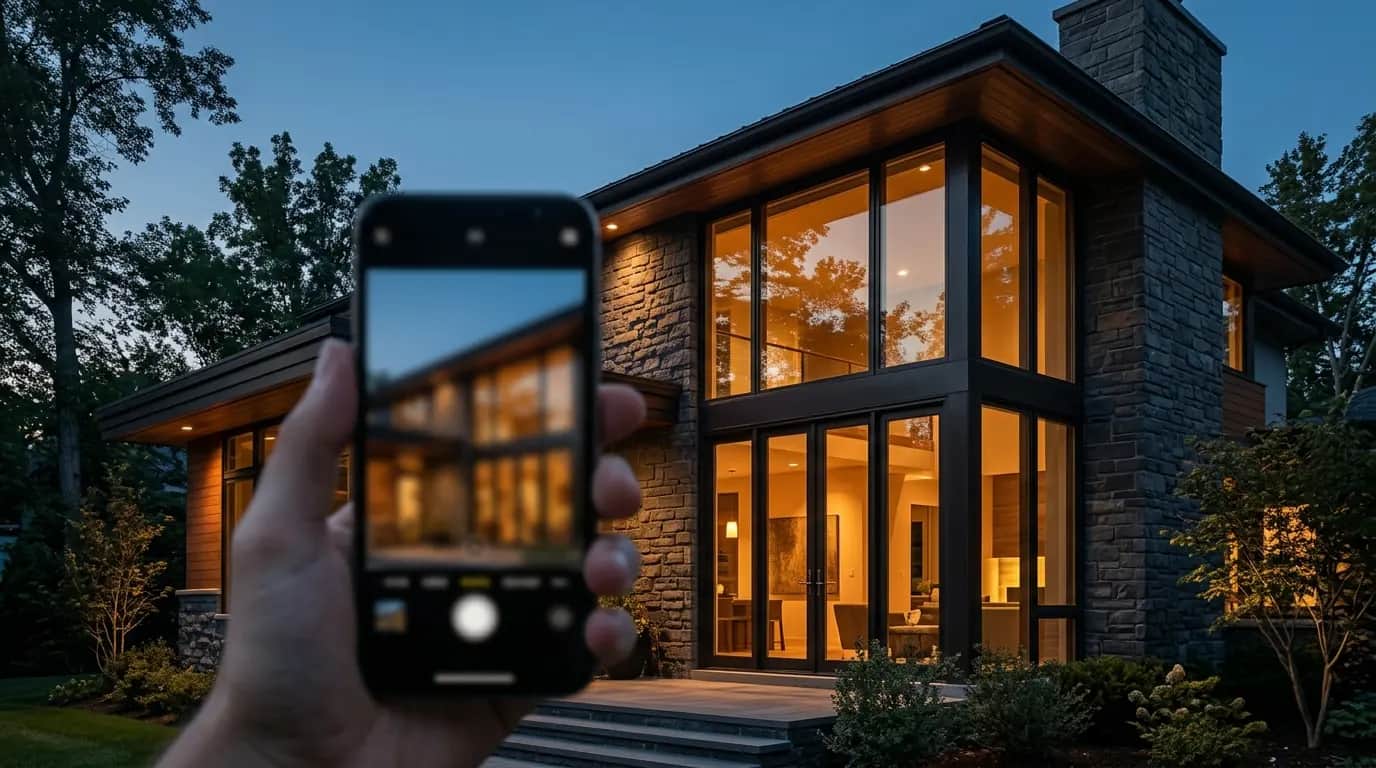
The biggest roadblock for new real estate agents isn't a lack of drive or social media savvy, it's a psychological wall called imposter syndrome.
You open Instagram or LinkedIn, ready to post, and suddenly freeze. You see veteran agents sharing glossy graphics that say "JUST LISTED!" or "UNDER CONTRACT IN 48 HOURS!" You look at your own empty inventory, feel a wave of anxiety, and close the app. You think, "How can I post about real estate when I don't have any houses to sell?"
Here is the perspective shift that will change your entire career: consumers don't follow real estate agents to stare at transactional brag sheets. They follow agents to learn about the market, the community, and the lifestyle.
You do not need inventory to prove you're an expert. By shifting your strategy from "salesperson" to "local curator," you can build an aesthetic, high-authority digital presence before your first closing. Here are three content pillars designed to eliminate portfolio anxiety and position you as a strategic market advisor from day one.
1. The local hotspot review: selling the lifestyle first
People don't just buy a house; they buy a neighborhood, a school district, a morning commute, and a Saturday morning coffee routine. Long before a buyer looks at bedroom counts, they're looking at the lifestyle.
As a new agent, your lack of listings gives you a massive asset: time to explore your market. Use that time to document the community.
The caption strategy: write a short, curated guide highlighting why locals love this specific pocket of the city.
Why it works: it establishes immediate hyper-local authority. When a prospective buyer stumbles across your profile, they won't see a lack of listings, they'll see an agent deeply plugged into the fabric of the community they want to live in.
2. The permission-based open house walk-through
If you don't have listings of your own, you're surrounded by an entire brokerage full of agents who do. Top producers are often incredibly busy and welcome any extra exposure they can get for their properties.
The content framework: when you tour the home, avoid the standard, shaky handheld tour of a bathroom. Instead, focus strictly on high-end design features, unique natural light, or structural craftsmanship, exposed timber beams, custom stone masonry, a seamlessly integrated indoor-outdoor patio.
The caption strategy: frame the post around design and architecture, not transaction data. Talk about how the house lives and who the layout is perfect for. Tag the listing agent out of professional courtesy.
Why it works: your audience sees you inside beautiful homes, handling real estate, and speaking intelligently about property design. To the consumer eye, you look active, engaged, and highly professional.
3. Demystifying the data: complex trends in simple terms
The modern consumer is bombarded with sensationalized real estate headlines from national news outlets. They hear terms like "ad valorem taxes," "market compression," or "inventory corrections" and have no idea what it actually means for their bank account. Your job is to act as the translation layer.
The visual style: keep it simple and clean. Use a text-based graphic with a high-contrast, editorial background, or record a calm, direct-to-camera video explaining the concept without confusing industry jargon.
Why it works: true authority isn't showing off a commission check; it's taking something complex and making it simple for someone else. When you protect your audience from market confusion, you build a foundation of trust that turns followers into lifelong clients.
4. The buyer's-journey diary
You don't need a closing to have a story worth telling, you need clients, and every new agent has clients working with them before they have a signed contract. Document the process itself.
The caption strategy: write it like a diary entry, not a highlight reel. "Showing #6 today. Still looking for that kitchen light. We'll find it." is more relatable, and more credible, than a polished announcement with nothing behind it.
Why it works: prospective clients see the actual work of representing a buyer, not just the finish line. It sets honest expectations about what the process looks like, and it proves you show up for the unglamorous middle, not just the closing photo.
5. The FAQ series: turning repeat questions into content
Every new agent fields the same handful of questions from friends and family once word gets out they're licensed: "is now a good time to buy," "how much do I actually need for a down payment," "what's earnest money." Those questions aren't small talk, they're your content calendar, already written for you by the people around you.
Why it works: if one person you know asked it, dozens of strangers following you are silently wondering the same thing. Answering real questions, not hypothetical ones you invented for content, is what makes this pillar feel authentic instead of generic.
Building momentum without a following yet
It's easy to feel like this strategy only works once you already have an audience. It doesn't, it's exactly how you build one. Start by sharing your posts personally, not just publishing and hoping the algorithm finds them, send the local hotspot post directly to five people who'd actually enjoy that coffee shop, not just a general audience who may never see it in their feed.
Engagement compounds slowly and then quickly. The first month of consistent posting often feels like shouting into an empty room, that's normal, not a sign the strategy isn't working. Agents who quit at week three almost always quit right before the momentum they built finally starts showing up in comments, shares, and direct messages from people quietly considering reaching out.
How often to actually post
Consistency matters more than volume here. Three genuinely useful posts a week, rotating across the pillars above, will outperform a daily posting habit that burns out after three weeks. Pick a cadence you can actually sustain for months, not the one that looks most impressive on paper for the first seven days.
A simple starting rotation: one lifestyle/hotspot post, one market-education post, and one behind-the-scenes or open-house post per week. Once that feels sustainable, add frequency, don't start at daily and hope it sticks.
Stop waiting for the perfect listing to start building your brand. The market belongs to the agents who show up, educate, and curate the lifestyle of their city. Pick one pillar this week, keep your aesthetic sharp, and start documenting.
Quick Answers
Which pillar should I start with? Whichever feels least intimidating right now, momentum matters more than a perfect starting order. Most new agents find the local hotspot pillar the easiest first step since it requires no client permission and no camera confidence yet.
What if my first few posts get almost no engagement? Expected, not a failure signal. Early posts build the foundation an algorithm and an audience both need before momentum shows up, judge this strategy over months, not days.
Make a Nest builds working agents a professional website, built around your actual production, live in 72 hours. School Estate students and alumni get the $595 setup fee waived with code SCHOOLESTATE.
Learn about Make a Nest